


 简体中文
简体中文
The global market for Hydroxyethyl Methyl Cellulose (HEMC) for building material applications continues to expand rapidly in 2026, driven by surging demand in dry mix mortars, tile adhesives, exterior insulation systems, and plaster formulations. HEMC has become an indispensable additive in modern construction chemistry, offering water retention, workability enhancement, and open time extension that no other class of polymer can replicate at the same cost-performance ratio.
This article identifies the top 10 manufacturers of HEMC for building material grade in 2026, with a focused profile on Zhejiang Yisheng New Material Co., Ltd. and its flagship EASONZELL™ ME Series Building Material Grade product line. Whether you are sourcing HEMC for tile adhesive, self-leveling compounds, or gypsum-based systems, this guide gives you the technical and commercial context needed to make an informed decision.
Why HEMC Is the Preferred Choice for Building Material Formulations
Among cellulose ether derivatives, HEMC occupies a unique position. The hydroxyethyl substitution raises the cloud point compared to standard methyl cellulose (MC), allowing aqueous solutions to remain stable at higher temperatures — a critical property in warm-climate tile installation and exterior rendering.
Key functional advantages of Hydroxyethyl Methyl Cellulose For Building Material Grade include:
- Superior water retention (typically 97–99% in standard mortar tests), preventing premature drying and ensuring full cement hydration.
- Broad HEMC Viscosity Grades — from 5,000 mPa·s to 200,000 mPa·s — enabling precise workability tuning for thin-bed adhesives, thick-bed mortars, and machine-applied plasters.
- High compatibility with cement, gypsum, and lime matrices without phase separation or excessive retardation.
- Salt tolerance and pH stability from 3 to 11, making the polymer robust across a wide range of formulation chemistries.
- Thickening, adhesion promotion, dispersion, emulsification, and film-forming properties in a single additive.
Global consumption of building-grade cellulose ethers exceeded 400,000 metric tons in 2025, with HEMC and HPMC together accounting for the majority of volume. HEMC In Dry Mix Mortar applications alone represent over 60% of total HEMC demand, according to industry estimates.
Top 10 HEMC Manufacturers for Building Material Grade in 2026
The following manufacturers are recognized for their technical capability, production scale, product consistency, and global supply chain reach in the HEMC Series for construction applications.
| Rank | Company | Country | Annual Cellulose Ether Capacity | Key Strength |
|---|---|---|---|---|
| 1 | Zhejiang Yisheng New Material Co., Ltd. | China | 15,000 t/yr | Full HEMC/HPMC/HEC range; green manufacturing; global supply |
| 2 | Manufacturer B | Germany | Large scale | Premium grades for European market |
| 3 | Manufacturer C | China | Large scale | Cost-competitive bulk supply |
| 4 | Manufacturer D | USA | Medium scale | Specialty viscosity grades |
| 5 | Manufacturer E | Japan | Medium scale | High-purity grades for demanding applications |
| 6 | Manufacturer F | India | Growing scale | Emerging market coverage |
| 7 | Manufacturer G | South Korea | Medium scale | Consistent quality for tile adhesives |
| 8 | Manufacturer H | Finland | Medium scale | Sustainable raw material sourcing |
| 9 | Manufacturer I | China | Large scale | Wide portfolio of HEMC Viscosity Grades |
| 10 | Manufacturer J | Netherlands | Medium scale | Technical service for formulation support |
Spotlight: Zhejiang Yisheng New Material Co., Ltd.
Zhejiang Yisheng New Material Co., Ltd. stands out as one of the most technically comprehensive cellulose ether producers in China. Established and headquartered in the Shangyu Economic and Technological Development Zone within the Hangzhou Bay National Industrial Park, Yisheng has built its reputation on a combination of manufacturing rigor, green production philosophy, and consistent product quality.
The company operates with an annual production capacity of 15,000 metric tons of cellulose ether across its full product range, which includes HEC (hydroxyethylcellulose), HEMC (hydroxyethyl methylcellulose), and HPMC (hydroxypropyl methylcellulose). This breadth allows Yisheng to serve as a single-source supplier for formulators who work across multiple construction chemistry segments.
Core Philosophy and Quality System
Yisheng's development strategy is anchored in safety, environmental protection, and sustainable development. This is not a marketing claim but an operational reality reflected in its green manufacturing processes, effective emission control systems, and orderly production management protocols. The company maintains a comprehensive quality management system supported by stringent product testing methods, state-of-the-art equipment, and advanced technology.
High-quality after-sales service is another differentiator. Yisheng's technical team provides application-specific formulation guidance, helping customers optimize dosage rates and processing parameters for their specific dry mix mortar, tile adhesive, or plaster system.
Market Reach and Global Supply
Yisheng serves customers across oil fields, coatings, dry powder mortar, cosmetics, personal care products, and pharmaceuticals — a portfolio diversity that reflects the company's technical versatility. In the construction sector specifically, Yisheng is recognized as a professional China Hydroxyethyl Methyl Cellulose For Building Material Grade manufacturer and factory, with a stable global supply chain that meets the delivery reliability requirements of international customers.
EASONZELL™ ME Series: Product Overview and Technical Profile
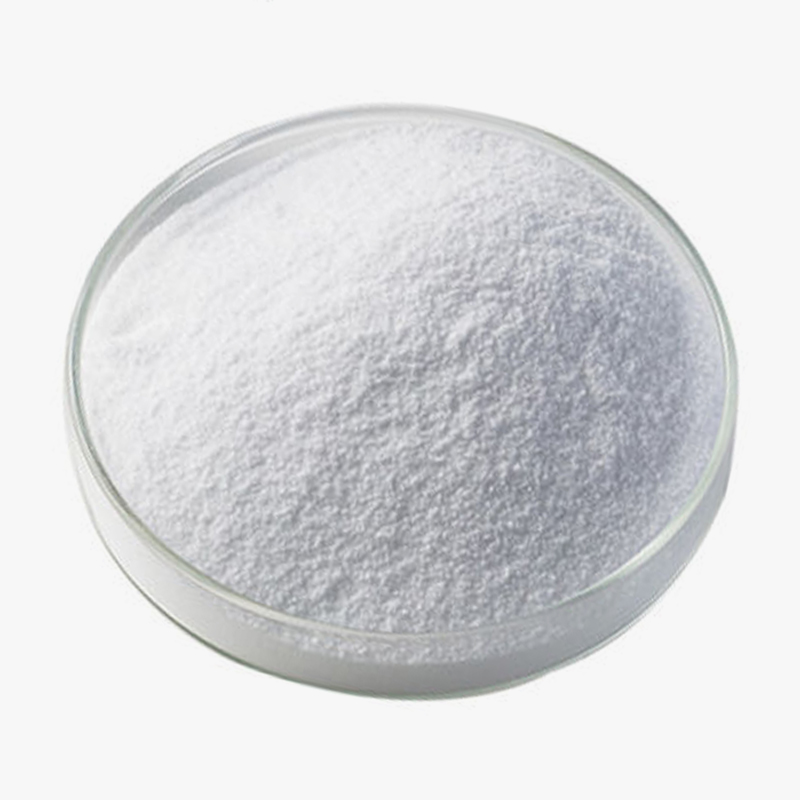
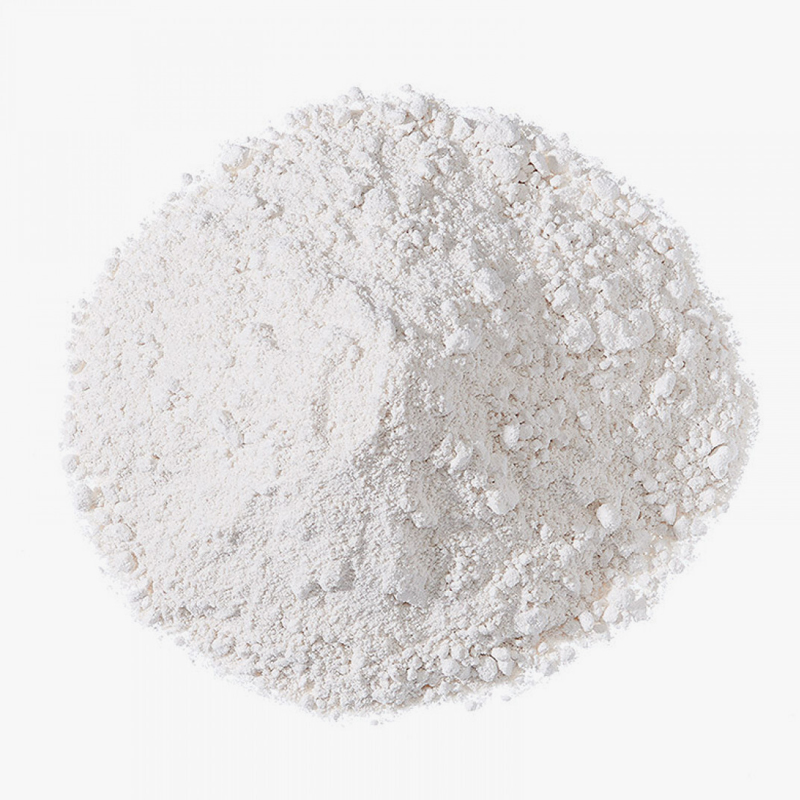
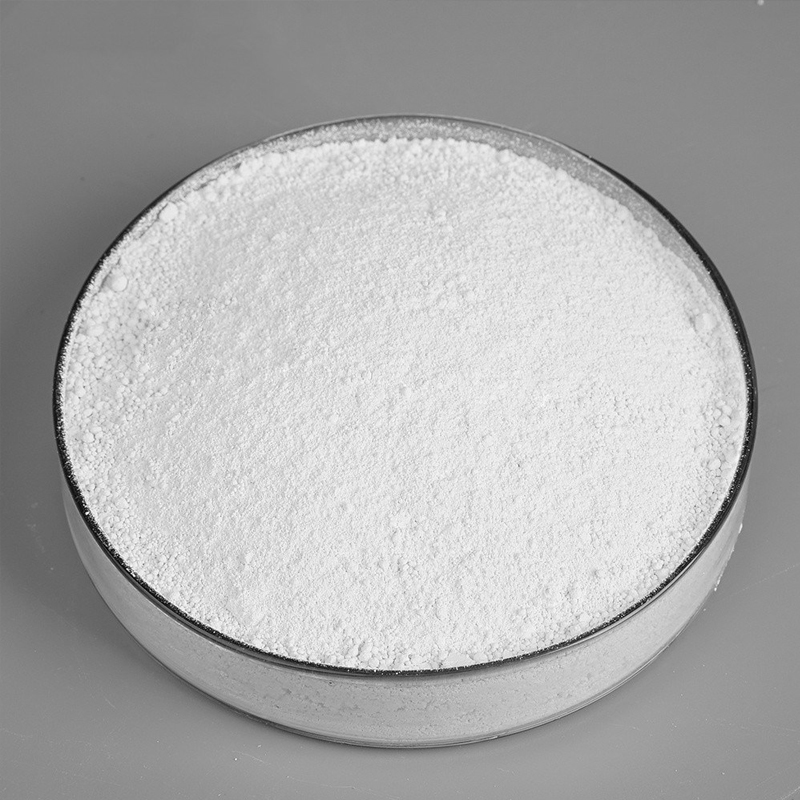
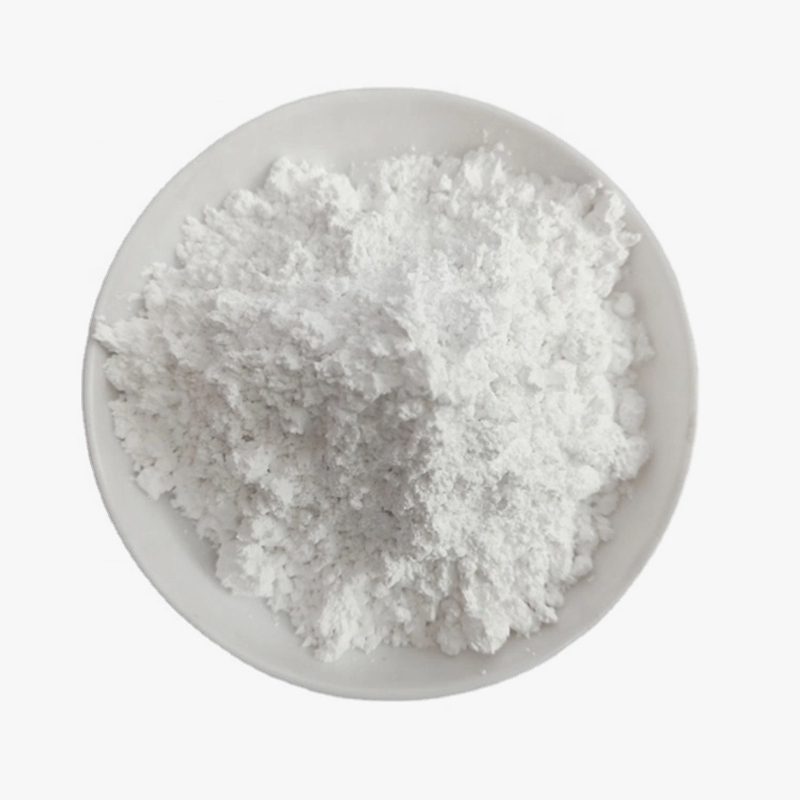
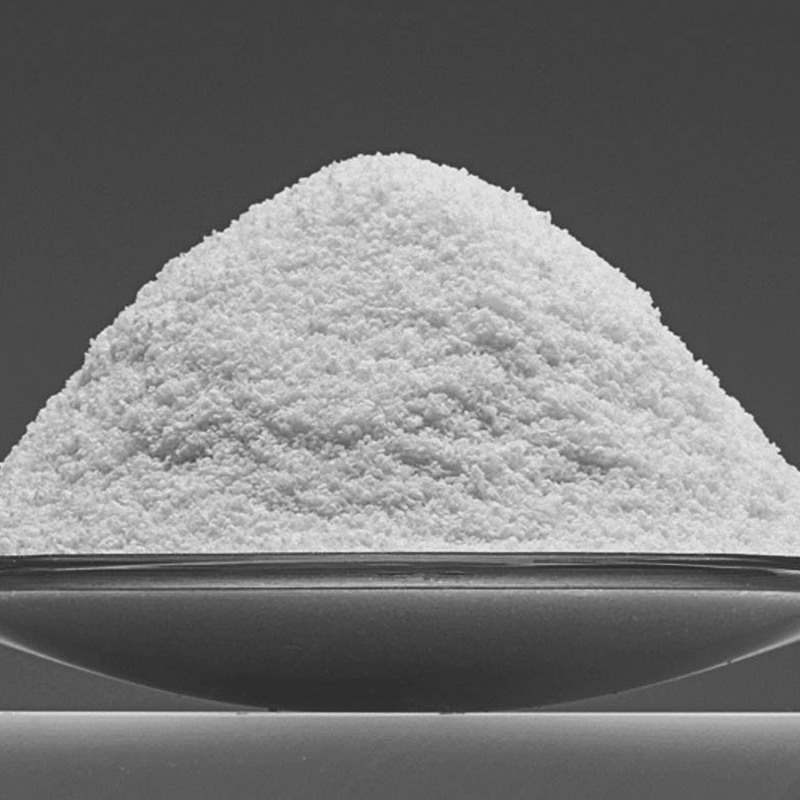
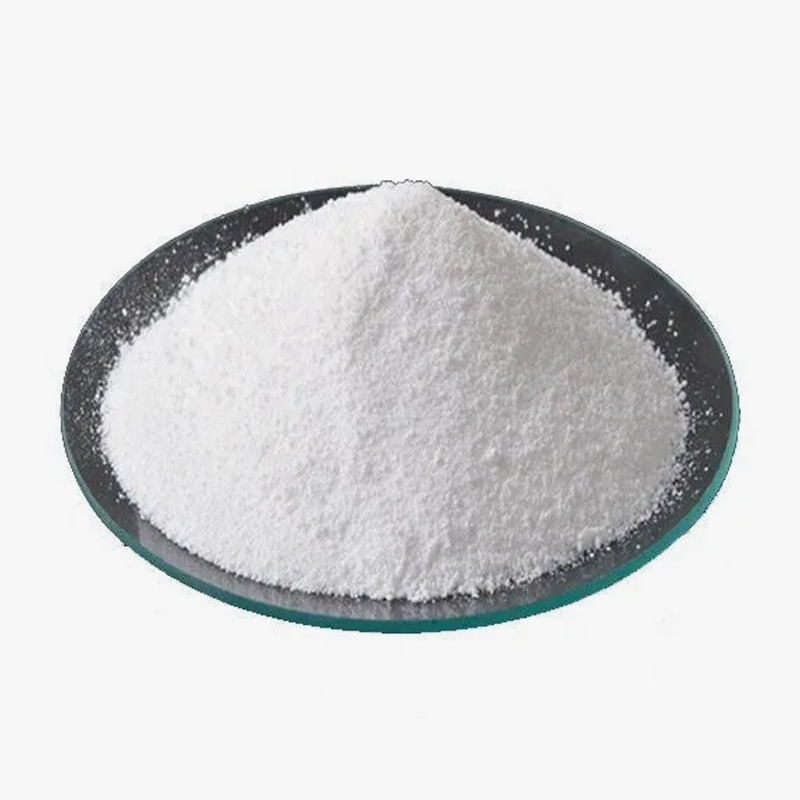
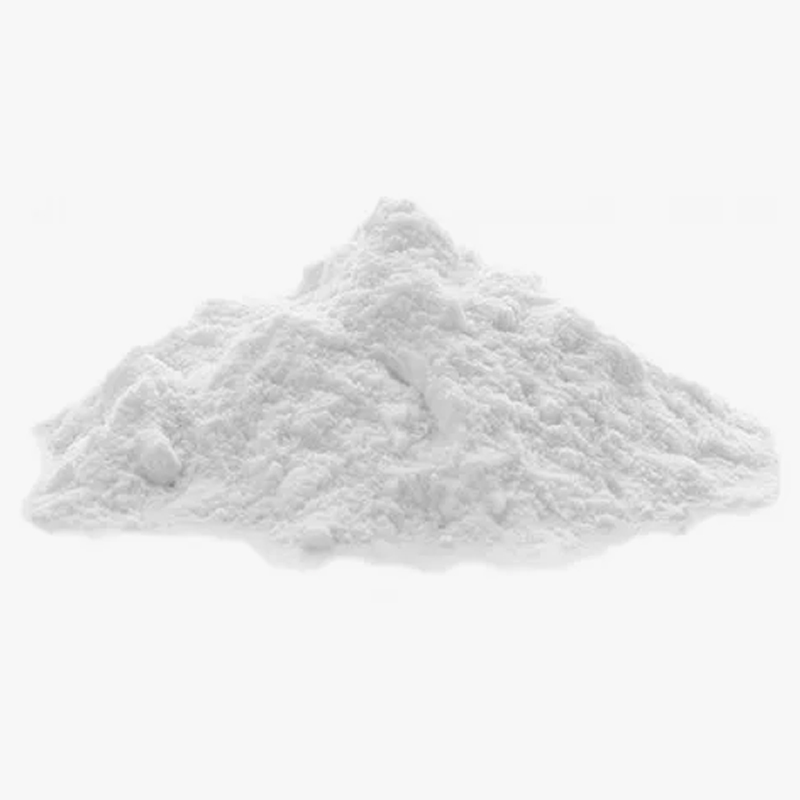
The EASONZELL™ ME Series Building Material Grade is Yisheng's flagship HEMC product line engineered specifically for demanding construction chemistry applications. The product presents as a colorless, odorless powder or granule, readily soluble in both hot and cold water to yield a clear and highly viscous solution.
Key Physicochemical Properties
- Solubility: Dissolves in both hot and cold water; stable, clear solution formation.
- Organic solvent resistance: Insoluble in typical organic solvents, ensuring formulation stability.
- pH stability: Dissolution and performance are unaffected by pH variations across a broad range (3–11).
- Salt tolerance: Enhanced compatibility with electrolyte-containing systems compared to standard MC.
- Higher cloud point: More thermally stable aqueous solutions versus conventional methyl cellulose, suited for warm-climate installation.
Functional Roles in Building Formulations
The EASONZELL™ ME Series fulfills multiple functional roles simultaneously within a single dosage addition:
- Thickening agent: Builds viscosity and body to prevent sagging in vertical applications.
- Water-retaining agent: Prevents water migration into porous substrates, protecting cement and gypsum hydration.
- Gelling agent: Contributes to cohesive mortar structure in cement and lime matrices.
- Adhesion promoter: Improves bond strength between mortar layers and substrates.
- Dispersion and suspension aid: Keeps filler particles uniformly distributed throughout the mix.
- Film-forming agent: Contributes to surface integrity upon drying.
HEMC Viscosity Grades Available
The EASONZELL™ ME Series covers a comprehensive range of HEMC Viscosity Grades to accommodate different application requirements:
| Grade (mPa·s, 2% solution) | Typical Dosage in Dry Mix (%) | Recommended Application |
|---|---|---|
| 5,000 – 15,000 | 0.05 – 0.10 | Self-leveling compound, grout |
| 20,000 – 50,000 | 0.10 – 0.20 | HEMC For Tile Adhesive (C1/C2 class) |
| 60,000 – 100,000 | 0.20 – 0.30 | Cement render, gypsum plaster |
| 120,000 – 200,000 | 0.25 – 0.40 | EIFS base coat, thick-bed mortar, machine plaster |
HEMC In Dry Mix Mortar: Performance That Matters on the Job Site
In dry mix mortar systems — including tile adhesives, renders, and masonry mortars — the quality of the HEMC directly determines the freshly mixed mortar's workability, open time, and substrate adhesion after curing. Formulators consistently rate the following parameters as most critical when evaluating an HEMC Series product:
- Water retention value: A higher water retention rate (target: above 97%) directly correlates with bond strength and surface quality.
- Dissolution speed: Rapid and complete dissolution in the mixing process prevents undissolved lumps that compromise mortar consistency.
- Slip resistance: Critical for HEMC For Tile Adhesive applications on vertical surfaces — higher molecular weight grades prevent ceramic and porcelain tile from slipping before the adhesive sets.
- Open time: Extended open time (typically 20–30 minutes for standard tile adhesive grades) allows the installer to adjust tiles after placing them on the adhesive bed.
- Batch-to-batch viscosity consistency: Viscosity variation of less than ±10% per batch is a standard industry expectation for building material grade HEMC.
The trend illustrated above confirms the industry understanding that higher HEMC Viscosity Grades deliver progressively higher water retention, which is why thick-bed mortars and machine-applied renders routinely specify grades in the 100,000–200,000 mPa·s range.
Packaging, Storage, and Handling of EASONZELL™ ME Series
Correct handling of Hydroxyethyl Methyl Cellulose For Building Material Grade is essential to preserve product performance from the factory to the dry mix production line. Yisheng's EASONZELL™ ME products are packed in multi-layer composite paper bags with moisture-proof plastic liners, with a standard net weight of 25 kg per unit package.
Because cellulose inherently absorbs moisture from the environment, Yisheng recommends the following best practices:
- First-in, first-out (FIFO) inventory management to ensure freshness and consistent dissolution behavior.
- Rain protection during transit: Transport vehicles must be kept dry and clean.
- Warehouse conditions: Ventilated, cool, dry storage away from direct sunlight; heat sources and open flames must be isolated.
- Bag integrity: Opened bags should be resealed immediately to prevent moisture ingress.
Failure to observe proper storage conditions can lead to lump formation, reduced dissolution speed, and lower effective viscosity — all of which will negatively impact dry mix mortar workability and water retention on the production line.
How to Select the Right HEMC Grade for Your Application
Selecting the correct grade from the HEMC Series requires matching the viscosity level and substitution profile to the performance demands of the specific formulation. Use the guidance below as a starting framework:
- Identify the binder system: Cement-based systems generally tolerate a wider viscosity range; gypsum-based systems are more sensitive to over-thickening. Start with mid-range grades (40,000–80,000 mPa·s) for gypsum plasters.
- Define the required open time: For standard ceramic tile installation, 20–25 minutes open time is typically achievable with a 30,000–60,000 mPa·s HEMC For Tile Adhesive grade at 0.15–0.20% addition.
- Check the mixing water demand: Higher viscosity grades increase the water demand of the mix. Balance water retention benefits against potential workability loss.
- Consider the application method: Machine-applied mortars require grades with controlled dissolution speed (often delayed-dissolution or surface-treated granules) to avoid premature thickening in pumping lines.
- Run a trial formulation: Always validate the selected HEMC Viscosity Grade in a small-scale lab trial before full-scale production. Measure water retention (DIN EN 14891 or equivalent) and open time as minimum acceptance criteria.
Yisheng's technical service team is available to support formulation development, providing grade recommendations and troubleshooting assistance for customers integrating EASONZELL™ ME Series into new or existing dry mix products.
Sustainability and Green Manufacturing at Yisheng
The construction chemicals industry is under increasing regulatory and customer pressure to demonstrate environmental responsibility across the supply chain. Zhejiang Yisheng New Material Co., Ltd. has embedded sustainability into its operational DNA, implementing the following measures:
- Green production processes: The manufacturing workflow is designed to minimize waste generation and energy consumption at every stage of cellulose etherification.
- Effective emission control: Exhaust gas and wastewater treatment systems comply with environmental regulations, reducing the plant's impact on the surrounding Hangzhou Bay National Industrial Park ecosystem.
- Safe working environment: Safety management is treated as a non-negotiable foundation, not an afterthought, with regular audits and reinforced control systems.
- Sustainable development roadmap: The company's long-term strategy prioritizes capacity expansion that is environmentally responsible, aligned with China's national green development directives.
For customers with sustainability reporting obligations or green building certification requirements (LEED, BREEAM, etc.), sourcing HEMC from a manufacturer with verifiable environmental commitments adds measurable value to their supply chain documentation.
Frequently Asked Questions
Q1: What is the difference between HEMC and HPMC for building material applications?
A: Both are cellulose ether derivatives used as water-retaining agents and thickeners in dry mix mortars. HEMC carries a hydroxyethyl group in addition to the methyl substitution, which raises its cloud point and improves solubility in salt-containing systems. This makes Hydroxyethyl Methyl Cellulose For Building Material Grade particularly advantageous in hot-climate applications and formulations with high electrolyte content. HPMC is also widely used and may offer different gelation behavior depending on the specific grade.
Q2: What HEMC Viscosity Grades are suitable for tile adhesive (C2 class, EN 12004)?
A: For standard C1 tile adhesive, grades in the 20,000–50,000 mPa·s range at 0.10–0.20% addition typically deliver the required water retention and open time. For C2 extended open time adhesives, mid-to-high viscosity grades (50,000–100,000 mPa·s) combined with appropriate dosage adjustment are recommended. Yisheng's technical team can recommend the optimal EASONZELL™ ME Series grade based on your specific substrate, tile format, and EN 12004 performance class target.
Q3: How should EASONZELL™ ME Series HEMC be incorporated into a dry mix mortar production process?
A: EASONZELL™ ME Series products are added to the dry blend in the mixer together with cement, aggregates, and other additives. The HEMC dissolves upon the addition of mixing water. For machine-applied mortars, use a surface-treated (delayed-dissolution) granule grade to prevent premature thickening in the mixing pump. Always ensure the mixing water temperature is within the recommended range and that the HEMC is stored under dry conditions per FIFO protocol before use.
Q4: Can HEMC be used in gypsum-based systems as well as cement-based ones?
A: Yes. HEMC In Dry Mix Mortar applications extend to both cement and gypsum binder systems. The EASONZELL™ ME Series functions as a water-retaining and thickening agent in gypsum plasters, joint fillers, and finishing compounds. Because gypsum systems have a shorter working time and are more sensitive to over-retardation, mid-range viscosity grades (30,000–60,000 mPa·s) at controlled dosage rates (0.10–0.25%) are generally preferred to avoid excessive delay of the set.
Q5: What is the standard packaging and shelf life of EASONZELL™ ME Series products?
A: Products are supplied in 25 kg multi-layer composite paper bags with inner moisture-proof plastic liners. When stored in a cool, dry, ventilated warehouse away from direct sunlight and heat sources, and managed using FIFO rotation, the shelf life is typically 24 months from the production date. Opened bags should be resealed and consumed promptly to prevent moisture absorption and viscosity loss.
Q6: Does Zhejiang Yisheng supply HEMC for markets outside China?
A: Yes. Yisheng has established a global supply network and provides stable cellulose ether products and technical services to customers worldwide. The company's export capability covers both established markets in Europe and North America and growing markets across Southeast Asia, the Middle East, and Africa. Customers can contact Yisheng directly to discuss specific requirements, delivery schedules, and documentation needs for their target markets.
 Email:
  Phone: +86-18069556875 / +86-575-82966958


